
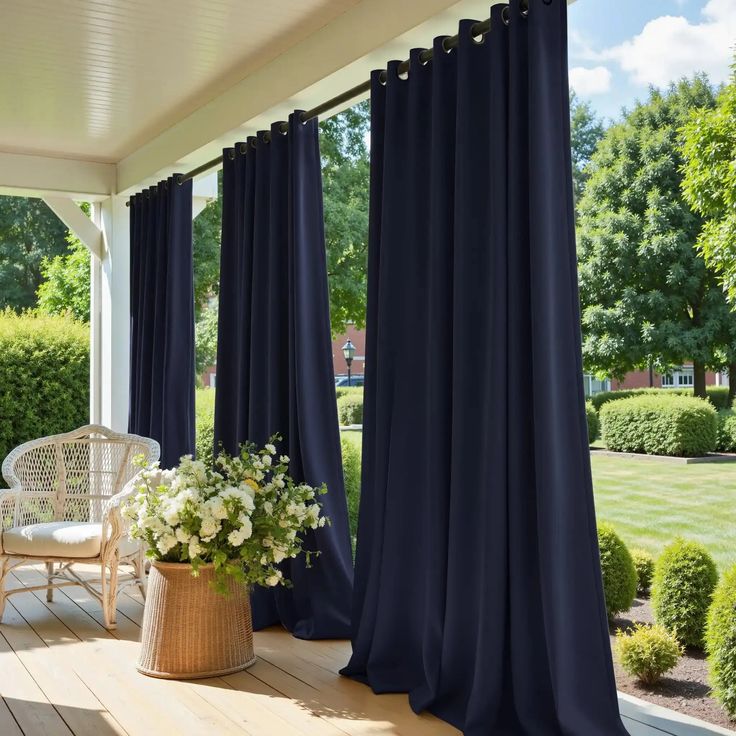
Why Curtains Fabric Choice Matters in the UAE Climate?
Life in the United Arab Emirates means dealing with long heat, extreme sunlight, and ultraviolet exposure throughout the year. For cities such as Abu Dhabi and Dubai, windows are exposed to direct sunlight all day long, which makes choosing a curtain an essential decision, not just a decorative choice. Best Curtains Fabric in Abu Dhabi directly impacts the temperature of your indoor space, glare reduction, furniture protection, and even the cost of cooling for a month. Homes reliant on inappropriate curtains fabric types often suffer from blocked heat and faded interiors and are uncomfortable despite the constant cooling. An appropriately chosen curtain fabric acts as a passive barrier that manages heat prior to it entering the space. This article explains how various materials perform in UAE conditions, how UV levels affect protection, and how a well-considered choice of fabric enhances comfort and ease of use while preserving an elegant interior.
Why Curtains Matter in Hot Weather?
Curtains play a crucial function in controlling the amount of sunlight that enters the indoor space. When temperatures are hot, windows can become entry points, particularly when the sun is shining during the day. The right curtains fabric acts as insulation, reducing the transfer of heat and reducing the harsh sun. This can improve comfort and lessen dependence on constant cooling. In addition to temperature control, curtains safeguard flooring, interior finishes, and furniture from the UV effects. For UAE residents with big rooms and windows, the fabric selection for curtains directly impacts living space, energy efficiency, and comfort for the entire daytime..
How Curtains Reduce Solar Heat Gain?
Solar heat is gained as sunlight travels through glass and transforms into heat indoors. Thick-weave fabric curtains, reflective lines, or thermal backings minimize this impact by absorbing or reflecting solar energy before it is absorbed by the space. Heat-resistant curtains fabric, UV-blocking curtains, and insulated curtains are especially successful in controlling temperature spikes. When properly installed, they maintain balanced light levels while stopping excessive temperatures, especially for rooms that face the sun.
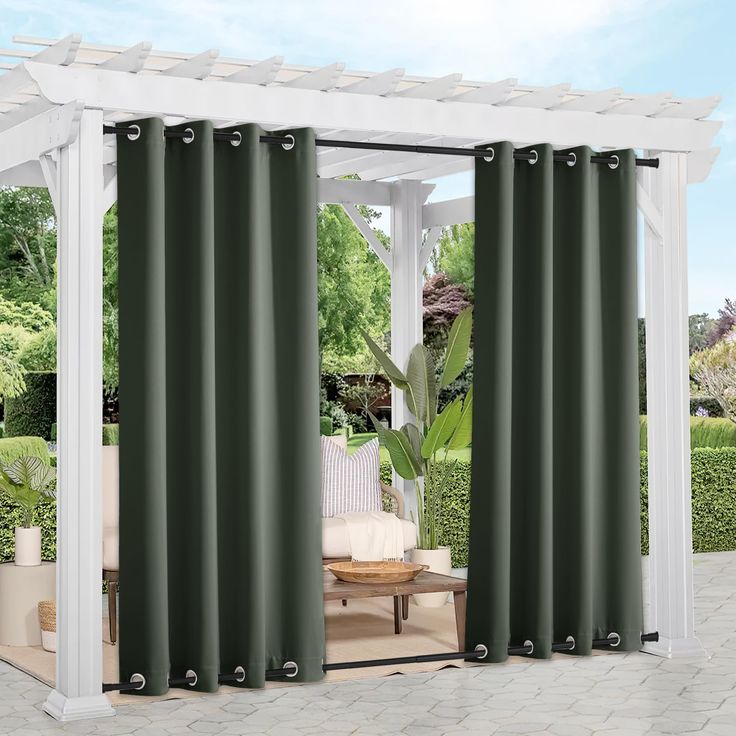
Light contrasts with. Dark Colors: Which Keep Rooms Cooler?
The color of the fabric determines the amount of heat that curtains are able to absorb and reflect. The lighter-colored fabric reflects more of the sun’s rays, thus reducing energy absorption. The darker fabrics are more prone to absorbing heat but still work great when combined with reflective or thermal linings. For UAE interiors, lighter shades like beige, white, and soft neutrals with practical backings offer the ideal balance of brightness and heat control. Your color choice must be in harmony with the structure of the fabric, rather than just aesthetics.
The Best Curtains Fabric for Hot Climates
Selecting the correct curtains fabric category will ensure long-term durability and comfort even in the hottest temperatures.
Thermal Blackout Curtains
Thermal blackout curtains fabric combines dense fabrics with insulation layers to hinder sunlight and decrease the heat transfer. They are among the best curtains that block heat. They are typically used in bedrooms and media rooms. They help regulate temperatures indoors and improve the efficiency of energy.
Linen Blackout Curtains for a Natural Look
Linen curtains Abu Dhabi with blackout linings provide breathable air and practical heating control. It is a great choice for those who prefer an elegant appearance while retaining efficiency. Linen is a popular lightweight curtain material for large villas and large living spaces.
UV-Reflective Curtains for Floor-to-Ceiling Windows
The UV-reflective fabric is designed to reflect sunlight and make it perfect for wide-span glass. They help reduce glare and help protect interiors while not creating a dark space, which makes perfect sun-blocking window curtains.
Layered Sheer + Thermal Curtain Sets
Layering blends light control with insulation. The sheer curtains fabric reflects daylight throughout the day. Thermal curtains regulate heat as required. The design is able to adapt well to changes in light intensity throughout the day.
Motorized Curtains for Convenience and Efficiency
Motorized curtains Abu Dhabi systems maximize curtain usage according to the sun’s location and the time of the day. Automated controls ensure consistent temperature protection and increase fabric longevity by controlling exposure.
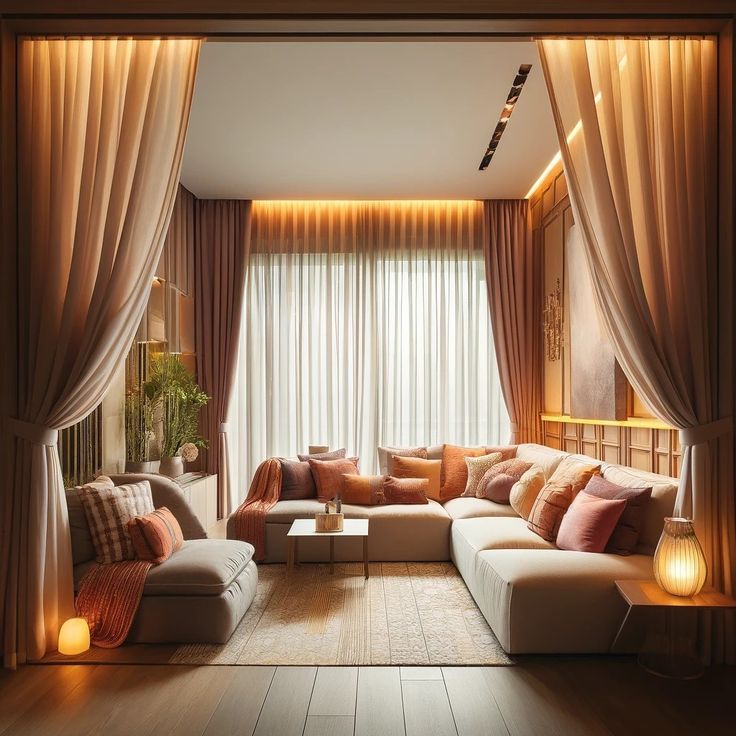
What Is a UV Rating in Curtains Fabrics, and Why Does It Matter?
The UV rating in curtains fabric indicates how much UV radiation the fabric blocks before entering your home. UV radiation is invisible, and its effects aren’t. They can fade furniture or weaken fabrics and increase heat in the indoor space as time passes. UV-rated curtains with a greater UV rating were designed to minimize the amount of exposure they receive through filtering harmful light at the window.
In simple terms, the UV rating will tell you if curtains are just ornamental or really protective.
Why UV Protection Matters Specifically in Dubai and Abu Dhabi?
The sun’s rays in the United Arab Emirates are stronger and more direct than in several other areas. The large windows, glass facades, and spacious layouts can make houses appear brighter, but they also permit more UV rays inside.
If they do not have proper UV-blocking curtains, homeowners are often able to see:
- Furniture fades in an uneven way
- Drying and discoloring of floors made from wood
- Room temperature increases near windows.
- The costs of cooling are higher
Protection from UV rays isn’t just a luxury; it’s a necessity. It’s an essential part of ensuring the comfort of your home and safeguarding your investment in the long run inside your home.
How Much UV Do Curtains Actually Block?
The amount of UV exposure in a certain block is determined by three important elements: the type of fabric weave density, the fabric type, and the backing or lining.
- The sheer fabrics block between 10% and 30% of UV radiation
- Cotton or linen of medium weight can block 50-70% of
- Thermal and blackout fabrics can be blocked to as much as 95-100%.
Lined curtains are significantly more effective than curtains that are not lined. Even fabrics that are light improve their effectiveness when it is paired with a UV-resistant back.
The reason certain performances aren’t judged by looks alone.
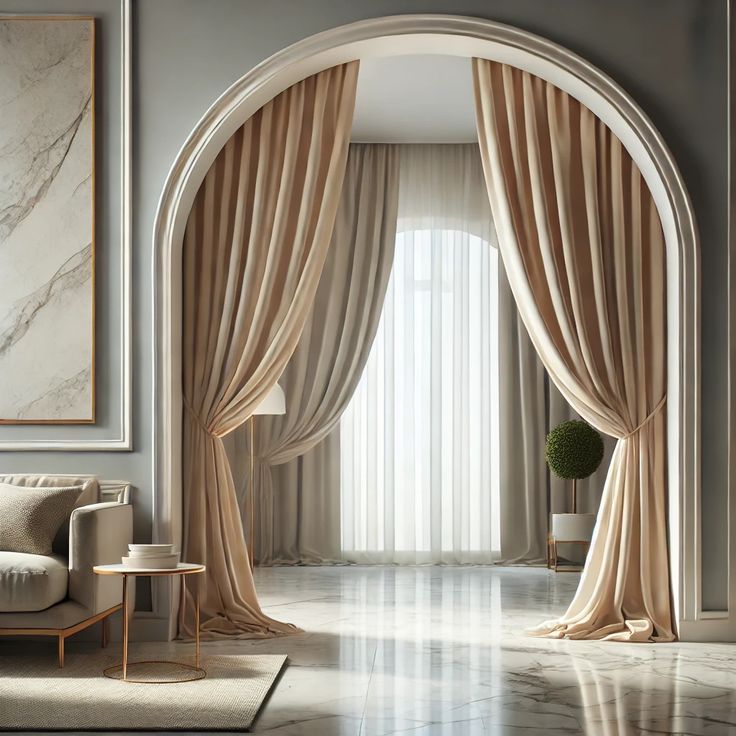
Common Errors UAE homeowners make when they have sun-facing Windows
Most homeowners concentrate on the color or design, but do not take into account the sun’s direction. The most common mistake is using draperies that are sheer or ornamental in south- or west-facing windows. This is because sunlight is most intense in the afternoon.
The other issues that are frequently encountered are:
- Choose dark-colored fabrics that wick the heat
- Insisting on lining up alternatives
- If all blackout curtains block all UV
- Using indoor fabrics for floor-to-ceiling glass
The result is usually warmer rooms and faster wear and tear on the interiors.
The Right Curtains Fabric Makes a Genuine Difference
The choice of the appropriate fabric can affect the feel of a room, with temperature, light, and comfort all part of it. The UV-resistant curtains help to regulate the indoor temperature, shield furniture, and reduce the need for air cooling.
When the material, lining, and the location are carefully chosen, the curtains can be a practical option and not only an aesthetic one. When you’re in the UAE, the temperature difference is visible every day.
Curtains Accessories That Boost Heat Blocking
Fabric performance is enhanced by accessories when carefully selected.
- Liner for the thermal
- Double curtain tracks
- Reflective backs
- Rails with a ceiling-mounted
The additions will improve the sealing around windows and also reduce the heat loss, particularly when rooms are exposed to high light.
Practical Tips to Stay Cool in the Summer with Curtains Fabric
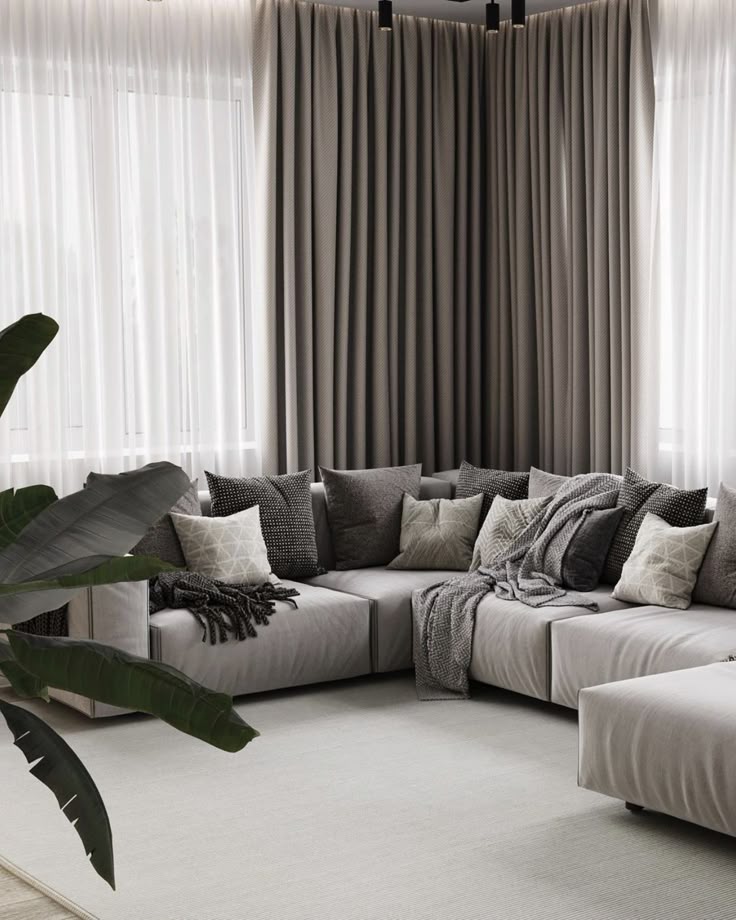
The strategic placement and use of curtains improve the performance. Curtains should be extended beyond the window frame to block the edges’ heat. Floor-length panels prevent heat drafts. A proper space between layers of fabric improves insulation. Regularly scheduled maintenance helps ensure that fabrics keep their qualities of insulation and reflectivity even in the midst of constant sunlight.
Why Fabric Matters More in Hot Weather?
In the climate of the United Arab Emirates, curtains aren’t just for decoration. They serve as a buffer between extreme heat from the outside and indoor comfort. The correct fabric will help cut down on heat gain, reduce hard sunlight, safeguard furniture, and reduce the cost of cooling. Unsuitable fabrics trap warmth and cause rooms to feel heavier than they should be.
The fabric you choose to use is more important than trend or pattern.
1. Linen Fabrics – Light, Breathable, and Honest
Linen fabrics performs exceptionally well during hot summer days due to its ability to let air flow without restriction. Its loose weave won’t hold warmth, making the rooms feel cool during hot summer days. Linen curtains reflect sunlight, rather than completely blocking it, and create a warm, natural glow without the stark reflections.
They’re particularly suitable for bedrooms, living rooms, and other areas in which brightness and airflow are more important than absolute darkness.
2. Cotton Fabrics – Familiar, Practical, and Adaptable
It is a good option for UAE homes due to its ability to balance airiness and structure. Lightweight curtains from cotton help to cut down on the heat while also providing the privacy you need. They’re easy to stack and clean, are easy to maintain, and are suitable for a variety of design styles.
If you live in hot environments in hot climates, a tightly woven or blended cotton is more effective than thinner varieties, particularly for rooms that have direct sunlight exposure.
3. Sheer Fabrics – Managing Light Without Fighting It
Sheer curtains are great for rooms that require the control of light rather than blocking. They block out bright sunlight, minimize glare, and keep privacy throughout the day without making the space appear darker.
In major cities such as Dubai and Abu Dhabi, the sheers are typically coupled with heavier curtains to allow homeowners to adjust their curtains depending on the time of day and the temperature. By themselves, they can’t hinder heat but can manage the brightness effectively.
4. Blackout Fabrics – When Heat Control Is Non-Negotiable
The blackout curtains work well when sunlight exposure is high. They are made to block light while reducing the transfer of heat, which makes them perfect for media rooms, bedrooms, and west-facing rooms.
The high-quality fabric for blackout helps to keep indoor temperatures stable in the summer, particularly during the peak seasons, as well as promoting better sleep through the elimination of the early morning sun.
5. Thermal and Heat-Reflective Fabrics – Practical Over Pretty
The thermal and heat reflective fabrics are designed specifically to be used in hot conditions. They usually have layers or coated backs that are able to reflect light away from windows, which reduces the buildup of heat inside.
Although these materials may appear basic, they work great in houses with huge glass windows and are constantly exposed to the sun. Functionality is paramount, and, in the UAE’s hot weather, this is often an ideal choice.
Fabrics to Be Cautious With in the UAE Heat
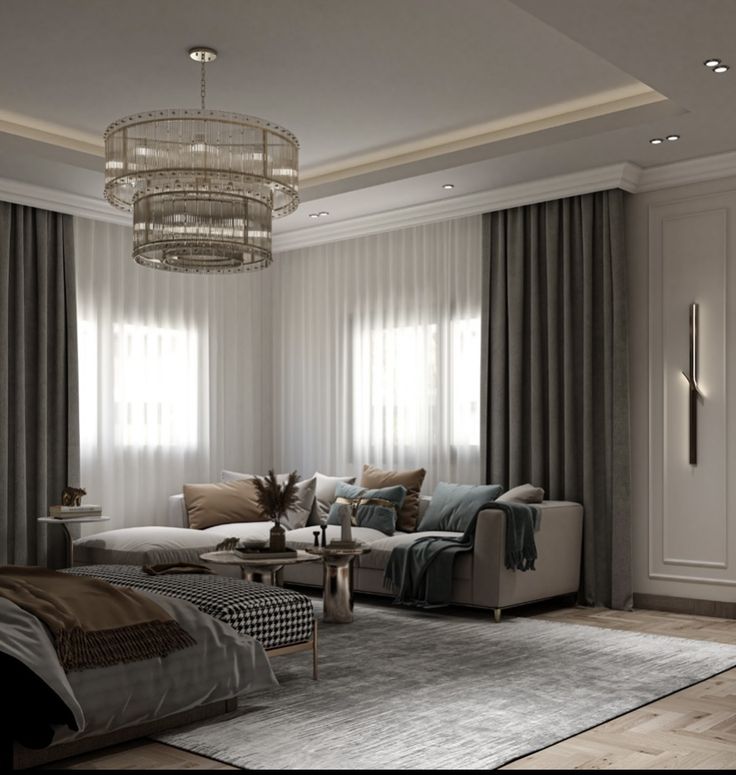
Heavy velvet, thick polyester, and densely packed synthetic materials can trap warmth and slow airflow. While they appear luxurious, they tend to create a warmer atmosphere and are uncomfortable.
They are best suited to be used as decorative layers or in air-conditioned rooms rather than as principal window coverings.
Color Plays a Role, Too
Fabric selection is directly related to hue. Shades that reflect light decrease heat absorption. Dark colors retain the warmth. When it is hot, neutral colors such as off-white, beige, soft grey, and sand are more appealing visually and thermally. This doesn’t mean it’s a bad thing, but more thoughtful.
Choosing Curtains That Fit How You Live
The ideal curtain fabric isn’t just about temperature; it’s also about everyday practices. Bedrooms require lighting and insulation. Living areas require ventilation and the ability to control light. Areas where you work from home need less light glare, but not to feel secluded.
If the fabric selection is in line with the style of each room, the curtains become just a last-minute thought and begin to function as a part of the home, the room.
Conclusion
The right fabric for your curtains is among the best ways to enhance interior comfort within the UAE. Controlling heat, UV protection, and energy efficiency depends on the way an item performs in constant sunlight exposure. Through understanding the behavior of materials and UV ratings and appropriate installation, homeowners will be able to make their homes cool, secure, and balanced throughout the year. A thoughtful selection of fabrics can cut down on expenses over time, protect furniture, and improve lifestyle quality throughout Abu Dhabi and beyond.
Call to Action
To get expert advice on choosing and fitting the best Curtains Fabric to UAE homes, get in touch with professionals who are experts on curtain designs and what the climate in your area demands. An appropriate fabric will offer security, comfort, and style for many years to come.
FAQs
- What’s the ideal fabric to wear in hot weather?
Linings blended with thermal blackout fabrics and UV-rated synthetics are the most effective in balancing insulation, breathability, and heat resistance. - Which fabric would be ideal to use for outdoor curtains?
Fabrics dyed with a solution and polyester are resistant to UV and water damage, which makes them ideal for outdoor use. - Which kind of curtain is most effective in keeping the heat out?
Curtains that are insulated and thermal retain indoor temperatures by blocking the transfer of heat through windows. - Which fabric is ideal to use for curtains?
The choice of fabric is based on the conditions, the exposure, and the room’s use. Cotton blends, linen, and blackout are popular options. - What are the best curtains to use in summer?
Light-colored curtains, lined or thermal, that reflect heat while also allowing the sun to be controlled, are ideal during summer. - What is the best fabric for curtains?
High-performance synthetics and polyester offer the longest durability under intense sunlight. - How UV Ratings Affect Furniture Fading?
A higher level of UV blockage can significantly reduce the fade of flooring, upholstery, and artwork, while also preserving furniture and other interior assets. - How to Choose UV-Resistant Curtains for Your Home?
Examine the window’s direction, duration of exposure, and the function of the room prior to picking the right fabric or lining.